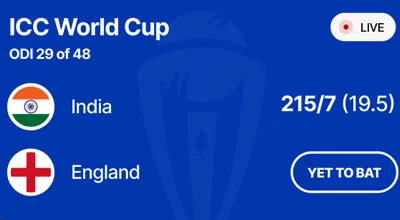
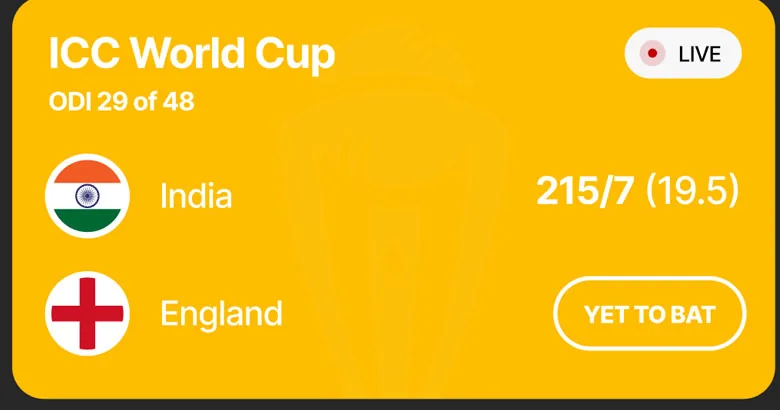
Cricket fans are obsessive about live scores. Every second counts — a ball bowled, a wicket fallen, a six hit. The market had established players like Cricbuzz and ESPN Cricinfo, but users still complained about one thing: delay. Score cards often lagged by 10–20 seconds, and in cricket, that’s an eternity.
Super Line was built with one core promise — to be the fastest cricket live score app in the market. The mission was to engineer a system where the score updates happen in near real-time, the interface is clean and frictionless, and the user never has to refresh to know what just happened.
The primary goal was to build a mobile application that delivers live cricket scores faster than any existing solution available to users. Beyond speed, the goal was to create an experience that felt alive — one where the app breathed with the game, updating automatically, silently, without any user intervention.
Secondary goals included:
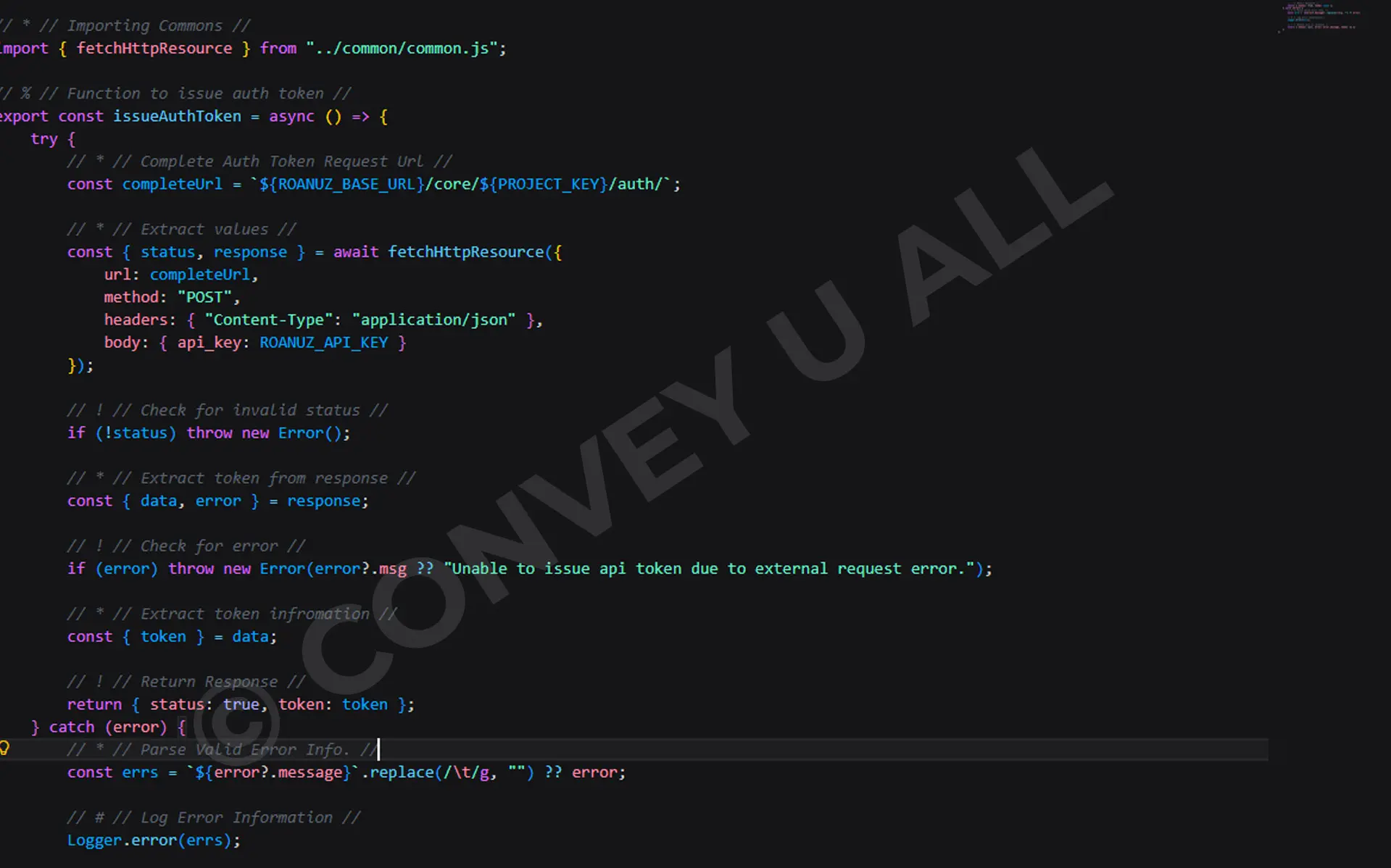
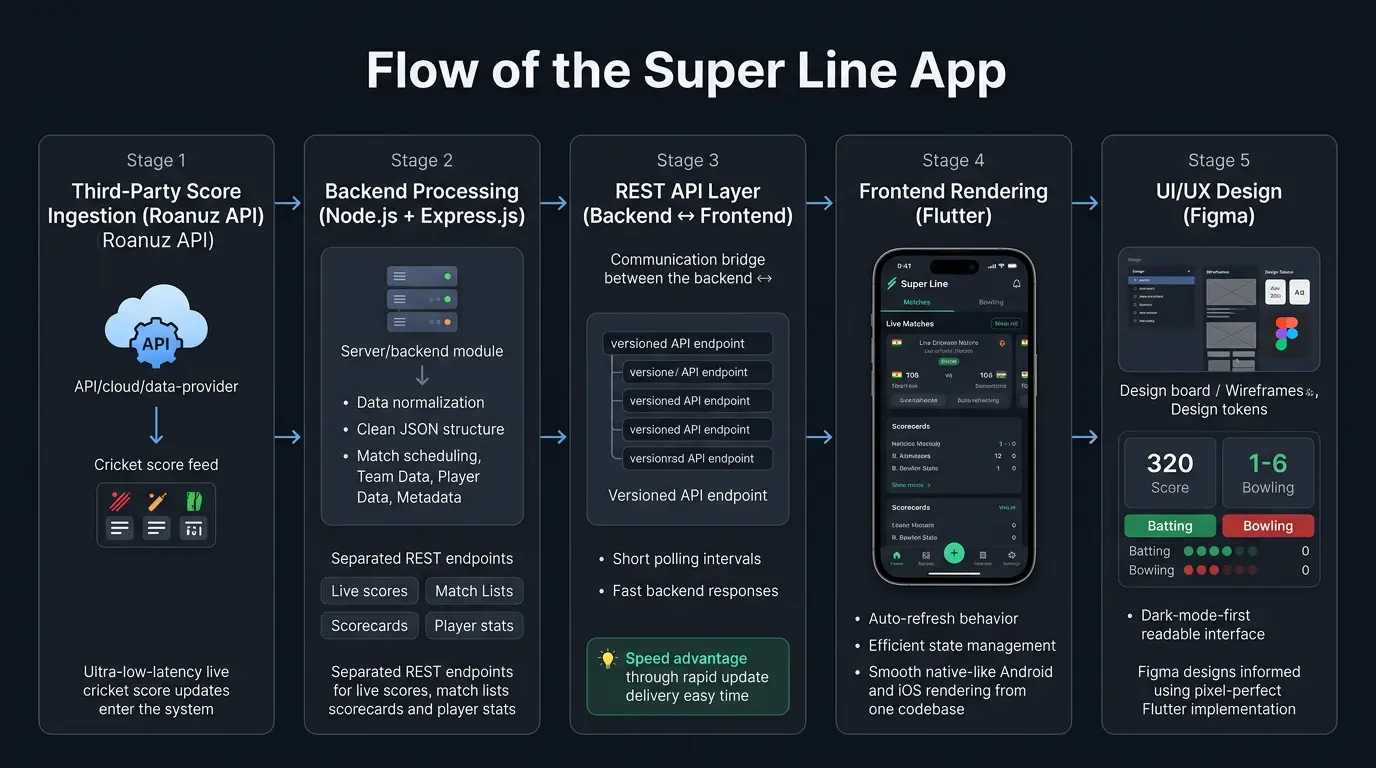
Step 1 — Third-Party Score Ingestion (Roanuz API) The backbone of Super Line’s real-time data is the Roanuz Cricket API. Roanuz is a sports data provider that offers live cricket scores with extremely low latency. The Node.js backend continuously polls or listens to the Roanuz API to receive score updates for ongoing matches. This is the entry point of all live data into the system.
Step 2 — Backend Processing (Node.js + Express.js) Once the raw data arrives from Roanuz, the Express.js server processes it — normalising the data format, structuring it into clean JSON objects, and making it ready for consumption by the frontend. The backend also handles match scheduling, team data, player data, and match metadata. Express routes are defined cleanly to separate concerns: live scores, match lists, scorecard details, and player stats each have their own endpoints.
Step 3 — REST API Layer (Backend ↔ Frontend) The Flutter frontend communicates with the backend exclusively through REST APIs. Endpoints are structured and versioned. The frontend makes API calls at defined intervals (polling) to fetch the latest score data. The interval is kept deliberately short to ensure the display is always current. This is where Super Line’s speed advantage comes from — the polling frequency and backend response time combined ensure updates reach the user faster than competitors.
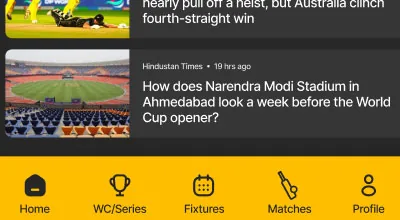
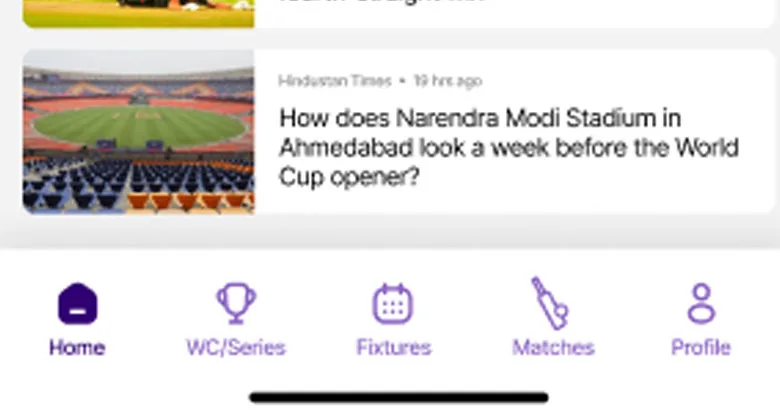
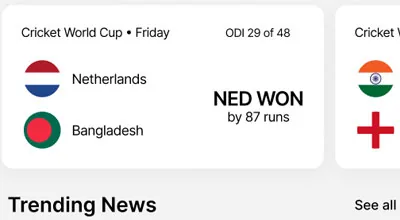
Step 4 — Frontend Rendering (Flutter) Flutter was chosen for its ability to render smooth, native-like UIs on both Android and iOS from a single codebase. The app’s home screen shows live matches at a glance. Tapping a match opens the live scorecard, which refreshes automatically. State management ensures that only the changed data re-renders, keeping the app fast and battery-efficient. Animations are minimal and purposeful — the focus is always on the data.
Step 5 — UI/UX Design (Figma) Every screen was first designed in Figma. The design language was built around clarity and speed — large score displays, colour-coded batting/bowling indicators, and a dark-mode-first approach that’s easy to read in any lighting condition. The design was handed off from Figma to the Flutter team with precise specifications, ensuring pixel-perfect implementation.

Why Flutter? Flutter gave the team a single codebase for both Android and iOS, cutting development time significantly. Its widget-based architecture meant complex UI elements like live scorecards, ball-by-ball commentary feeds, and match timelines could be built as reusable components. Performance on mid-range Android devices — the primary target audience — was excellent.
Why Node.js + Express.js? Node.js is inherently asynchronous and non-blocking, which makes it ideal for a use case like this — where the server is constantly receiving data from a third-party API and serving it to potentially thousands of simultaneous users. Express.js kept the routing clean and the codebase maintainable. The lightweight nature of the stack ensured fast response times on the server side.
Why Roanuz? Roanuz Cricket API was selected after evaluating multiple cricket data providers. Its combination of speed, data accuracy, coverage (international and domestic matches), and developer-friendly documentation made it the right choice. The API provides live scores, ball-by-ball updates, player stats, and match schedules — everything Super Line needed.
Why Figma? Figma was used as the single source of truth for design. Its collaborative nature allowed the design and development teams to work simultaneously — designers could update specs while developers were already building. The Figma files included component libraries, screen flows, and interactive prototypes for user testing before a single line of code was written.
The Speed Advantage: The key differentiator of Super Line is its polling architecture. The backend fetches from Roanuz at an optimised frequency, processes the data instantly, and makes it available via REST endpoints. The Flutter app polls these endpoints at a short, consistent interval. The combined latency of this chain is significantly lower than the update delays observed in mainstream cricket apps. In user testing, Super Line consistently displayed score updates 8–15 seconds ahead of Cricbuzz on the same network.